Understand the building. Choose the right testing. Get clear next steps.
Mold & Environmental Testing on the Charleston Peninsula
Buying a downtown home? Planning a renovation? Trying to understand a recurring musty smell in an apartment or business? Start with an independent assessment of the concern.
I'm Jeff Suggs, owner of Charleston Mold Testing. I provide mold inspection, indoor air quality testing, HERTSMI-2 dust testing, mycotoxin testing, radon testing, asbestos testing, lead testing, and whole-home diagnostic testing on the Charleston Peninsula.
Work directly with me to understand the options and findings. I do not sell mold cleanup or repairs.
Certified Mold Inspector · MICRO Certified · Charleston-based
HERTSMI-2 dust testing in downtown Charleston
If a healthcare professional has suggested environmental testing, or you have specific concerns about indoor conditions, bring those questions before choosing a test.
HERTSMI-2 uses DNA-based laboratory analysis of collected dust to assess five selected molds. I offer it separately or with indoor air quality testing, with a post-test summary explaining the laboratory results.
Customers who are sensitized to indoor conditions, receiving cancer treatment, or living with an autoimmune disease or another underlying condition may have particular testing requests. Share any environmental testing instructions from your clinician so we can discuss the appropriate scope.
- HERTSMI-2 dust testing
- $500
- With indoor air quality testing
- $750
Environmental testing does not diagnose illness, establish the cause of symptoms, or certify a property as medically safe. Your healthcare professional handles medical interpretation.
About HERTSMI-2 dust testingWhat do you need to understand about the property?
A useful starting point
Mold inspection, relevant moisture readings, and sampling where useful
About mold inspectionA building's age or location does not determine which tests it needs. The materials, water history, and question you want answered matter.
Testing for Peninsula homes, rentals, and businesses
Mold inspection and testing
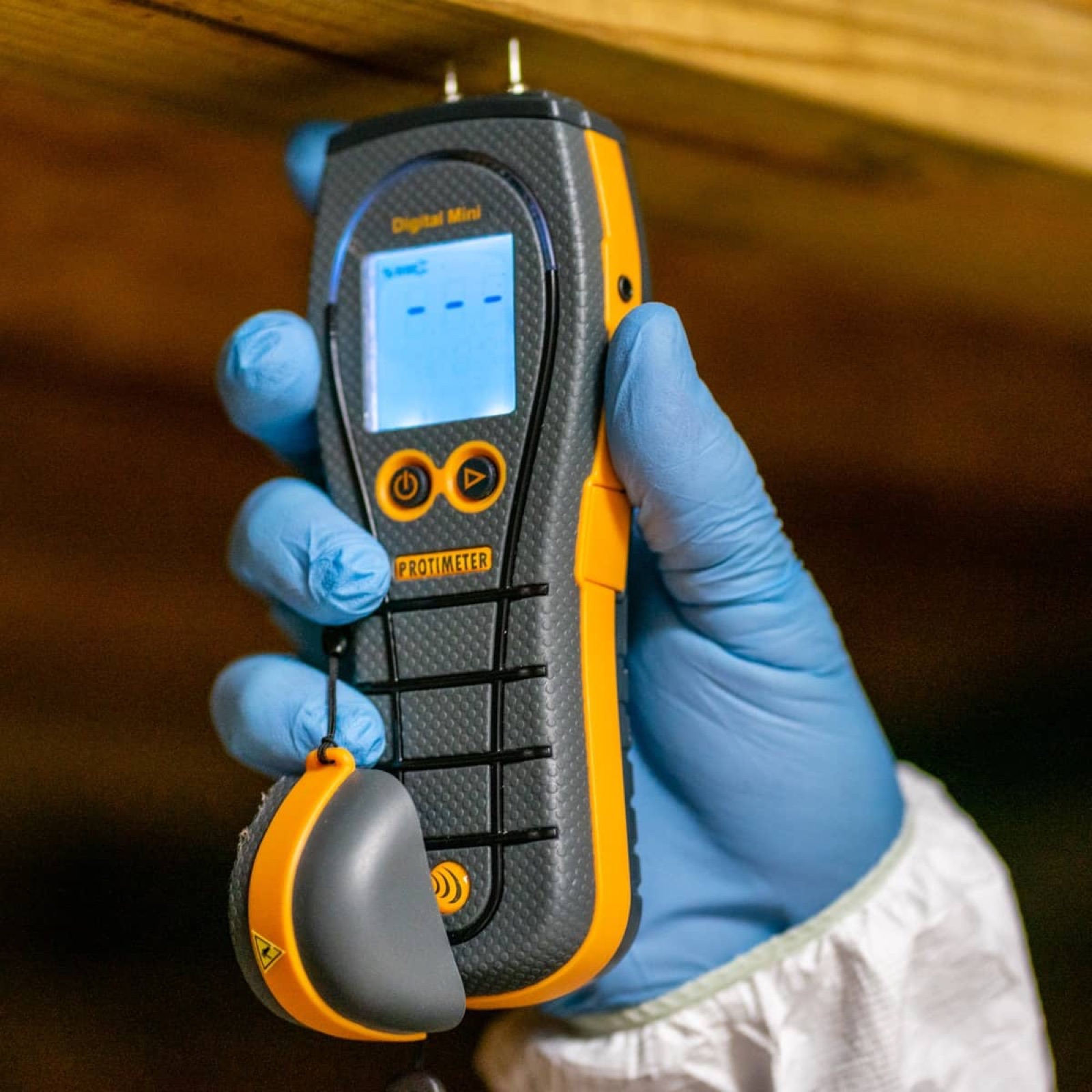
A mold inspection starts with what brought you here: where the odor occurs, when a leak happened, or which area raised a concern. I assess relevant accessible conditions and moisture readings, then discuss whether air or surface samples would add useful information.
Visible mold does not automatically require laboratory testing. EPA says sampling is usually unnecessary when mold growth is visible. The moisture problem still needs attention.
Indoor air quality testing
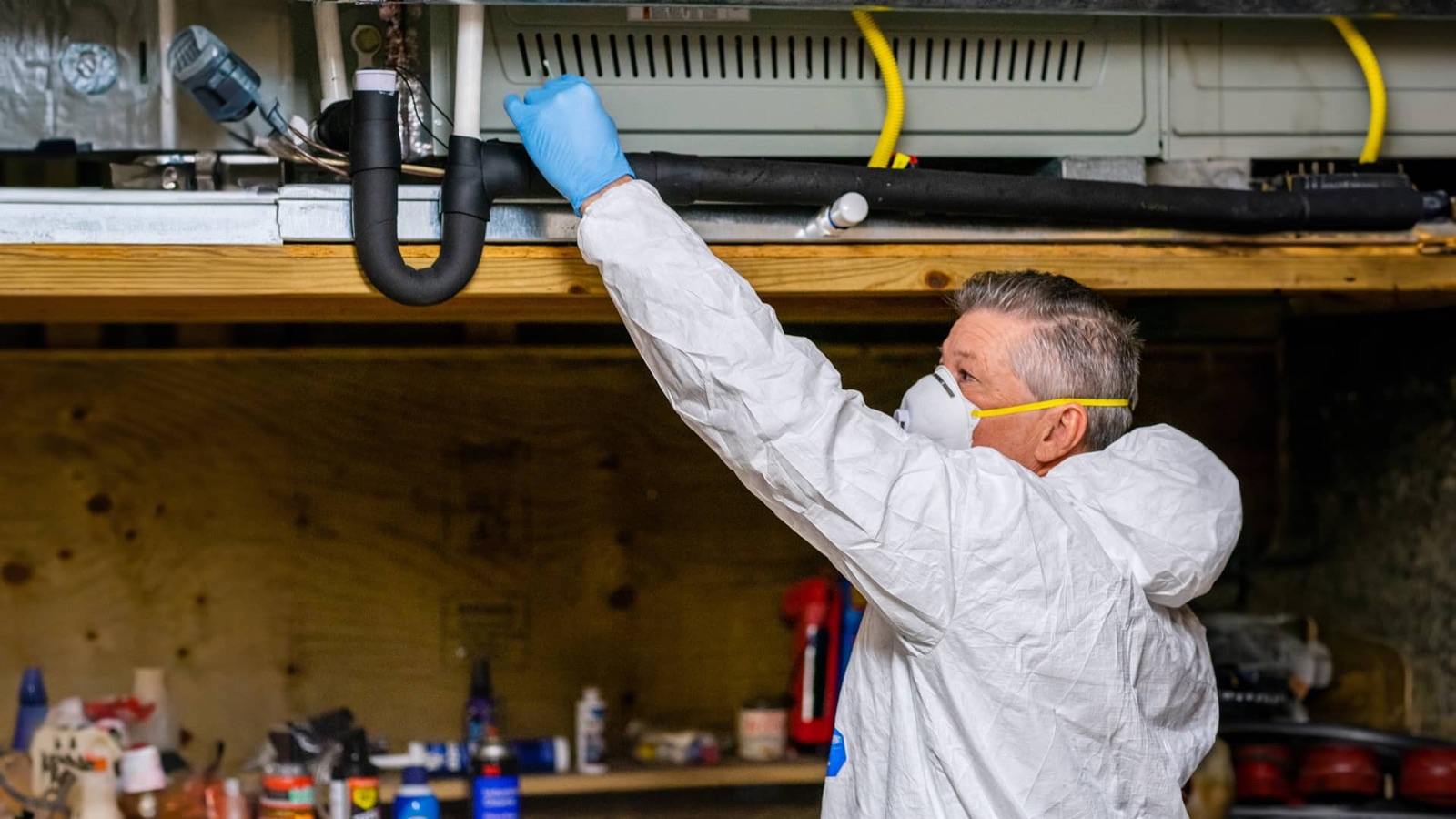
For airborne mold questions, selected indoor air samples and an outdoor comparison can provide information about conditions during collection. The agreed scope identifies the sampled areas and analysis; it is not a test for every indoor pollutant.
CDC/NIOSH explains that mold air counts have no health-based indoor standards and does not recommend routine mold air sampling for building evaluations. Sampling should serve a defined question alongside the building assessment. Standalone pricing depends on scope.
Environmental mycotoxin testing
Mycotoxin testing looks for selected compounds certain molds can produce. It answers a different question from counting airborne spores or using HERTSMI-2 to analyze molds in dust. Your quote identifies the environmental sample type and panel.
Asbestos testing before renovation
If work will disturb suspect flooring, textured ceilings, insulation, or other materials, discuss asbestos testing before demolition.
EPA advises leaving suspect materials undisturbed and using a trained, accredited professional when sampling is appropriate. Intact material that will remain undisturbed does not automatically need testing.
Lead testing
For a property built before 1978, ask about lead testing when planning work on painted surfaces or investigating a paint or dust concern. EPA's lead-testing guidance explains the role of qualified testing. Tell me what will be disturbed so we can discuss the needed service.
Radon testing
The Peninsula's coastal location does not establish the radon level inside a building. EPA recommends testing homes; radon cannot be seen or smelled.
Review radon testing in Charleston, and share your inspection deadline. This measurement needs its own collection period and preparation.
Whole-home diagnostic testing
If several concerns overlap, ask about the $1,000 whole-home diagnostic option. The quote identifies the inspection areas, tests, and sample locations included, so you can evaluate the service before booking.
Older buildings call for specific questions
An updated kitchen does not tell you what materials remain behind it. Before work begins, share what you know about the building's age, previous renovations, and the surfaces being disturbed. A moisture investigation and a building-material assessment serve different purposes.
Historic-property approvals are a separate part of planning. The City of Charleston's Board of Architectural Review oversees work within its preservation jurisdiction. Confirm applicable approvals with the City and your project professionals; environmental testing does not replace them.
Water history matters, too. The City's Spring/Fishburne drainage project documents rainfall and high-tide drainage concerns in part of the Peninsula. That provides local context—not evidence that a particular property flooded or has mold.
Tell me whether water entered the building, which rooms were affected, what was dried or replaced, and whether the concern returned. For an occupied rental, condo, or business, we'll also discuss access to the relevant rooms and who will receive the report.
A downtown report: why the total count isn't the whole story
In September 2022, a Charleston Mold Testing project at a downtown property included four indoor air samples and an outdoor comparison analyzed by Hayes Microbial.
One indoor sample had a total count of 960 spores per cubic meter, compared with 1,266 outside. But the Aspergillus/Penicillium group in that sample measured 853, compared with 213 outside.
The lower indoor total did not tell the whole story. The individual groups and their distribution added information that the total alone missed. Laboratory findings need to be considered alongside the building assessment—not reduced to one pass/fail number.
Anonymized historical sampling example. These figures describe the samples collected at that time; they do not establish medical safety, current conditions, or a remediation outcome.
Compare the same sample two ways
- Indoor sample 960
- Outside 1,266
Indoor is lower than outside.
Spores per cubic meter, September 2022
What customers say about working with Jeff
“His prompt, detailed report and excellent communication made the entire experience smooth and stress-free”
Testing options and prices
Your quote identifies the included tests and any project-specific charges before you book.
Residential mold assessment
- Three areasTwo inside, one outside
- $350
- Five areasFour inside, one outside
- $500
- Eight areasSeven inside, one outside
- $800
- Additional testEach beyond your package
- $75
Commercial mold assessment
$100 per area; an office is one area.
For properties over 2,000 square feet, contact me about a walkthrough and custom quote.
Specialized environmental testing
- HERTSMI-2 dust testing
- $500
- HERTSMI-2 with indoor air quality testing
- $750
- Mycotoxin testingOne panel
- $500
- Mycotoxin testingAdditional panel
- $250
Other testing and optional protocol
- Radon testingPer test
- $300
- Asbestos testingPer test
- $200
- Lead testingPer test
- $300
- Whole-home diagnostic testing
- $1,000
- Optional remediation protocolAdditional
- $300
The optional protocol is a separate planning document, beyond the included post-test summary. It does not include cleanup or repairs.
Before you book
Your report and payment
Your lab report is released once your invoice is paid.
Step 1Testing & lab analysis
Jeff collects your samples and sends them to the lab for analysis.
Step 2Pay your invoiceRequired
Invoice must be paid to receive lab report.
Step 3Report + post-test summary
All lab reports come with a post-test summary explaining the lab results.
Refund policy: No refunds for received lab reports.
From property concern to explained results
- 01
Tell me about the building.
Share its location, concern, water or renovation history, and deadline.
- 02
Agree on a useful scope.
We'll discuss tests, locations, cost, preparation, and access arrangements.
- 03
Complete the assessment.
I inspect relevant accessible areas and collect agreed samples or measurements.
- 04
Review the findings.
After payment and completed analysis, your lab report is released with a post-test summary explaining the results.
Questions about testing in downtown Charleston
Ask Jeff about your Charleston Peninsula property
You don't need to arrive with the name of a test. Tell me about the building and the question you need answered. I'll help you understand your options and next step.
Prefer to talk? Call 843-460-2835